
National Lampoon’s European Vacation — The 50x50 Edit
A 50x50 journey through America’s own palaces, alpine landscapes, old-world towns and grand landmarks.
Do you remember National Lampoon’s European Vacation?
The Griswolds win an all-expenses-paid trip on the game show Pig in a Poke and head from Chicago to England, France, West Germany and Italy. Naturally, things do not go according to plan: unrelenting roundabouts, questionable driving decisions, & cultural misunderstandings make most of our own travel mishaps seem manageable in comparison.
If you've been following along, you’ll know I've been traveling since July and will finally head home over Labor Day weekend. This particular excursion has taken me through Italy, Switzerland, Greece, Turkey, France and Germany—a little farther south and east than the Griswolds managed, but thankfully with considerably less international property damage.
I've taken more pictures than any reasonable person should, but photographs may be the best free souvenirs we bring home. Looking back through them, I kept coming back to one thought:
I have experienced something like this at home…
And I don’t mean an exact copy. That's not the point. Versailles should be Versailles. Switzerland should be Switzerland. The US should be the US!
But so much of what sends us overseas—the architecture, dramatic landscapes, old-world streets, cultural traditions and layers of history—has a U.S. counterpart worth discovering. You’ll note, I could take the obvious route here and give you comparable Eiffel towers across many named landmarks and places in the US called Paris. But instead, I hope you enjoy some of my favorite sights from this European adventure—and where I'd send you in America to find a little of the same magic.


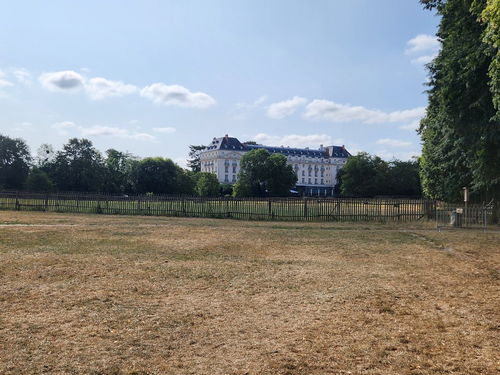
Versailles, FR → Newport, RI
Versailles is almost impossible to take in at once. The rooms are enormous, the ceilings are literally works of art and gold appears wherever there was apparently still space to put some. It is grandeur planned on a scale that is difficult to appreciate until you're standing in it.
Try this at home
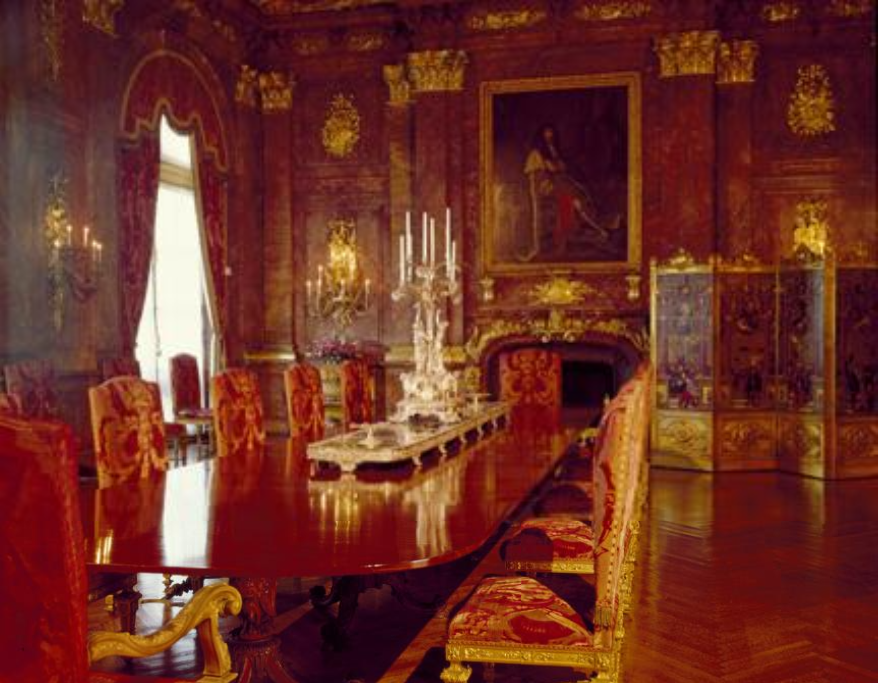
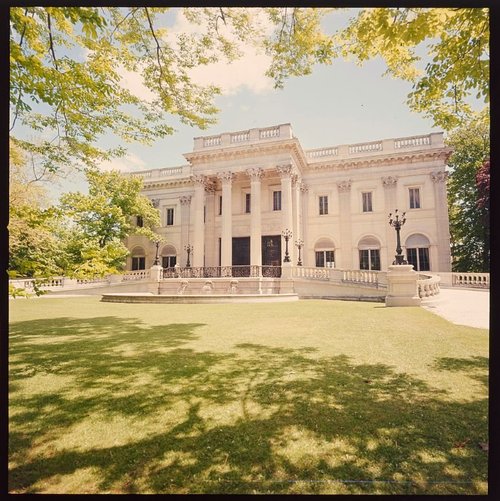
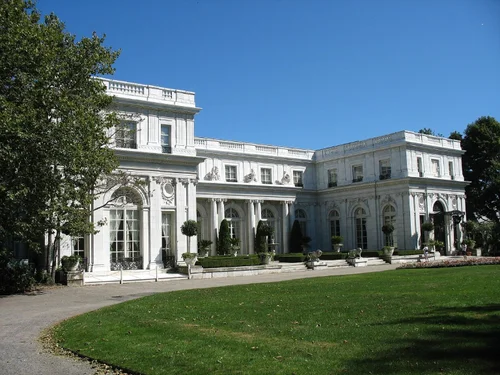
Head to The Newport Mansions in Newport, Rhode Island. The history here is distinctly American: Gilded Age fortunes, Newport society and extravagant entertaining. Start with Rosecliff. This isn't merely a mansion that happens to look French. Architect Stanford White modeled Rosecliff after the Grand Trianon at Versailles. But if what draws you to Versailles is grand architecture, formal design and the idea that restraint is overrated, Rosecliff makes a wonderful American chapter of the story.

Columns, Craters, & Columbus
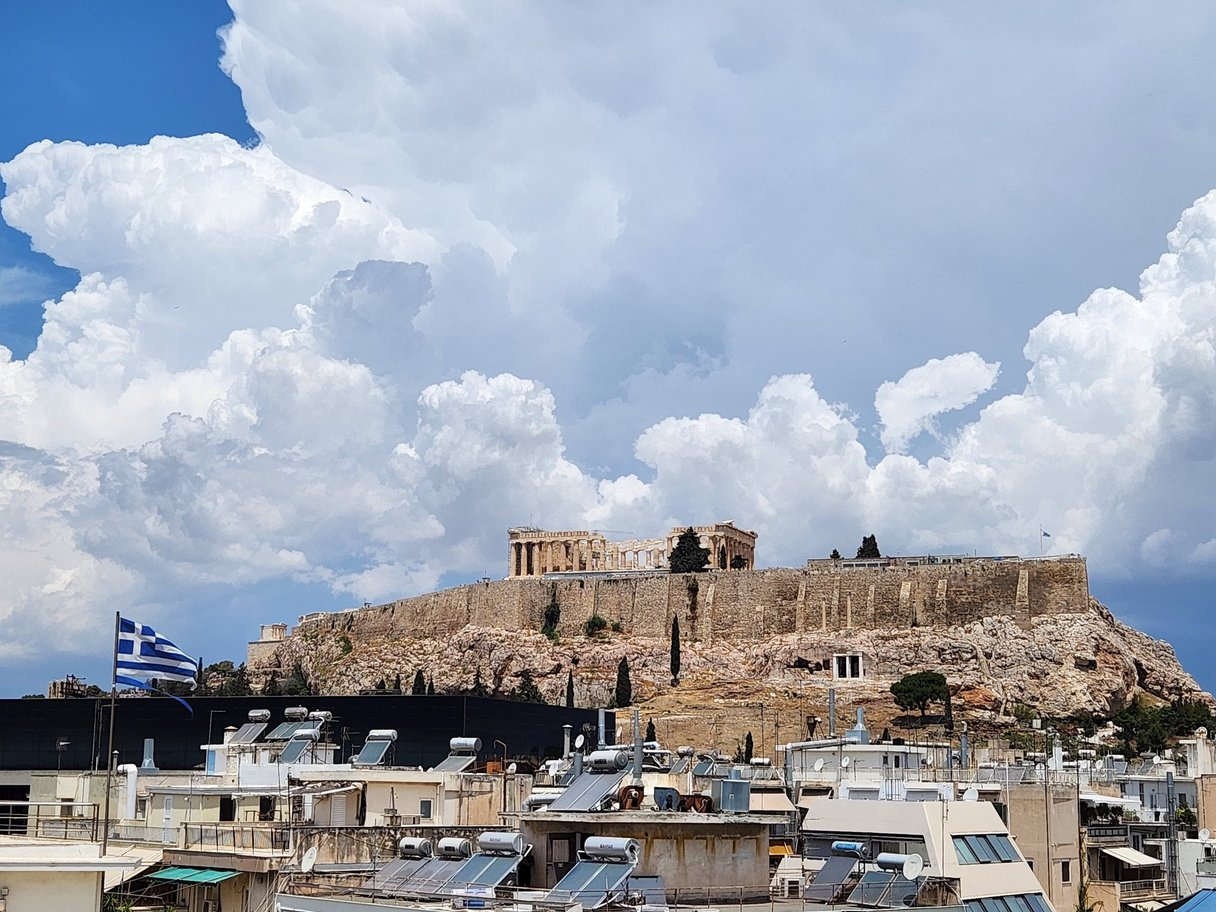
Athens → Nashville, Tennessee At the Acropolis, you’re standing among structures that have influenced architecture, government and art for centuries.
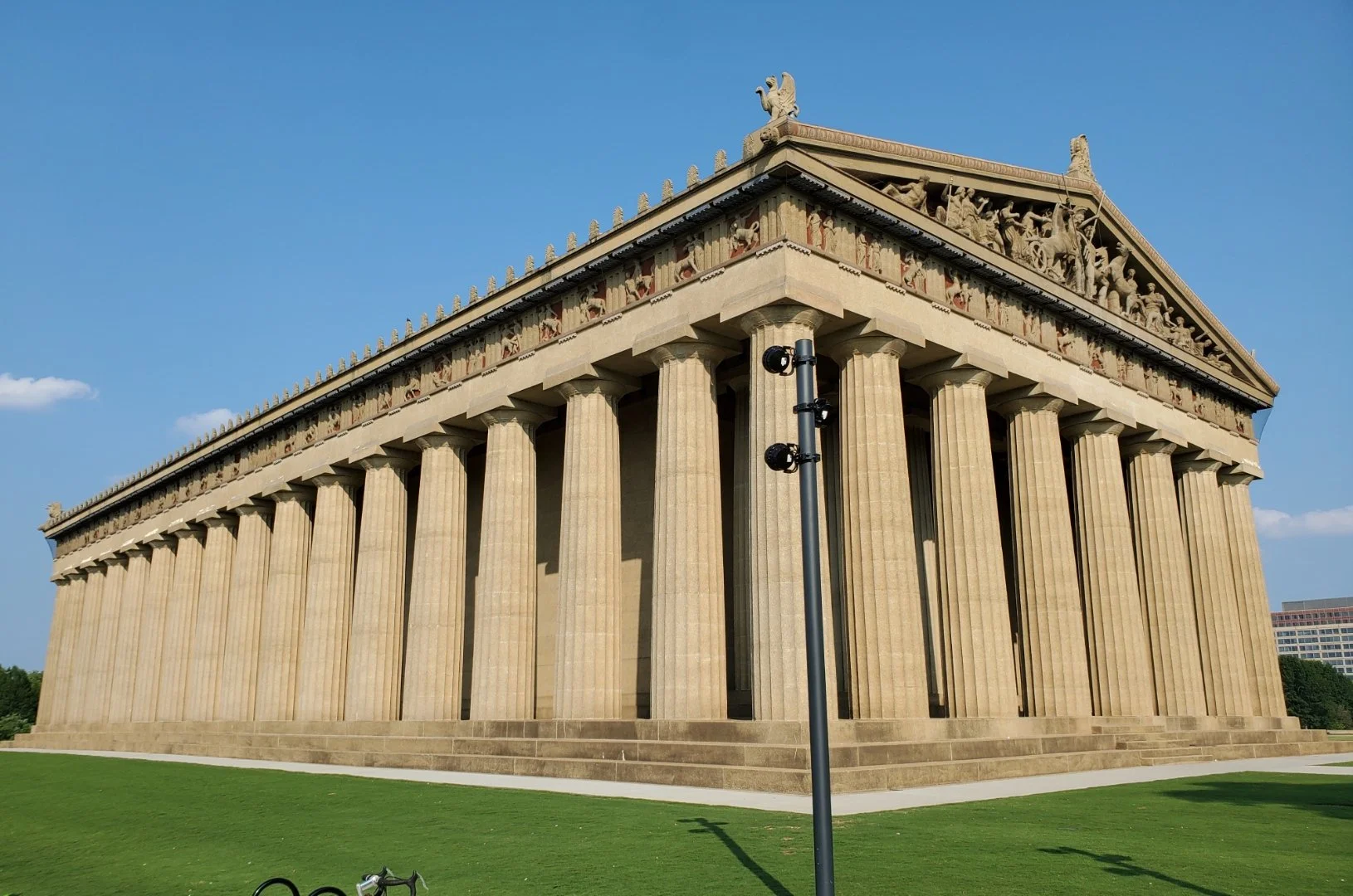
In Nashville, a full-scale reproduction of the Parthenon lets you appreciate those proportions in a very different American setting.
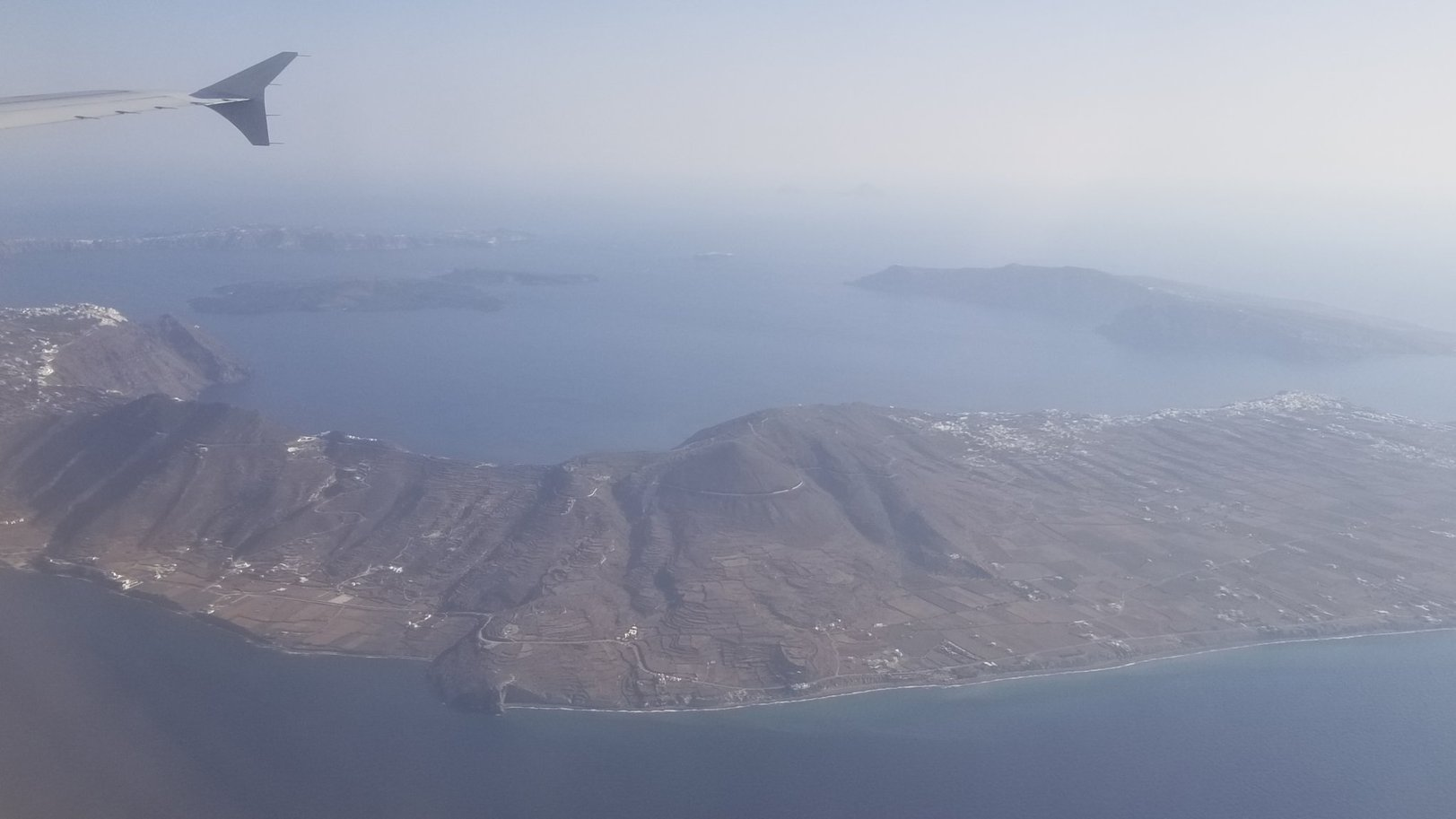
Santorini → Crater Lake, Oregon Santorini’s beauty is inseparable from the volcanic forces that shaped its caldera.
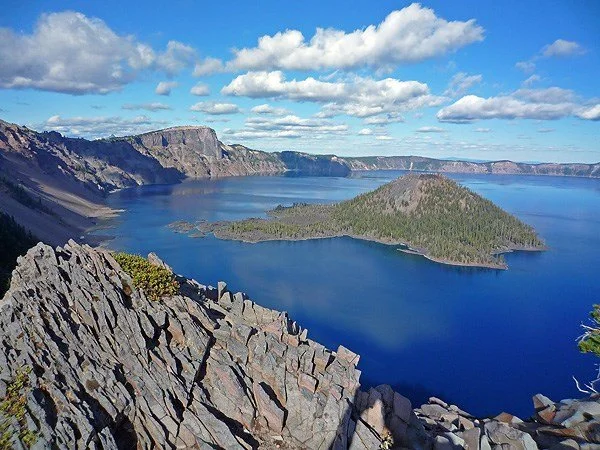
Crater Lake tells a different volcanic story, formed after Mount Mazama collapsed about 7,700 years ago and the basin slowly filled with rain and snow.
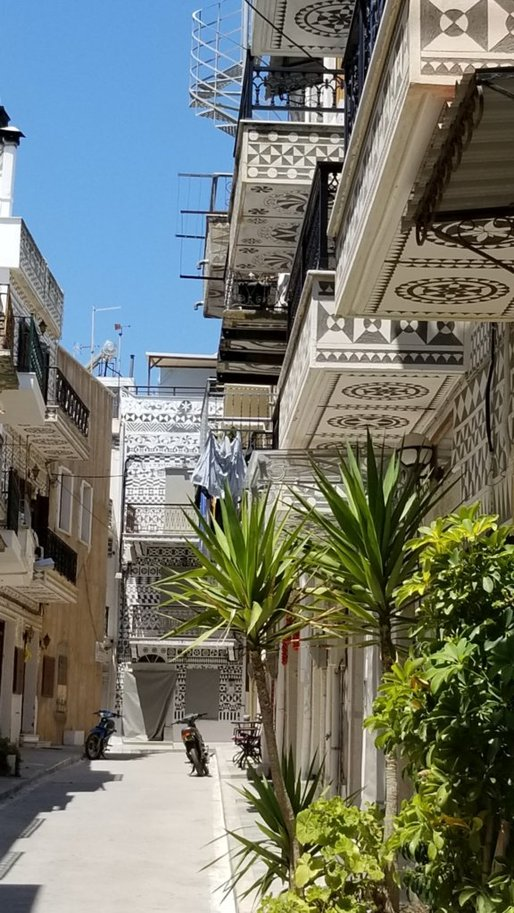
Pyrgi, Chios → Columbus, Ohio Pyrgi’s black-and-white xysta façades are striking enough on their own, but the village also preserves a local tradition linking Christopher Columbus to Chios. The claim is debated, but it is a fascinating reminder that some travel connections are historical rather than visual. Here, the American connection isn't a look-alike destination—it's the story of voyages that forever connected Europe and the Americas.

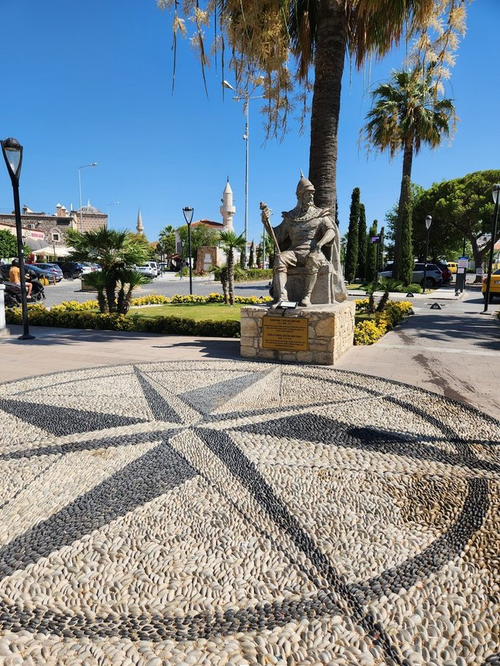
Çeşme, Turkey → St. Augustine, Florida
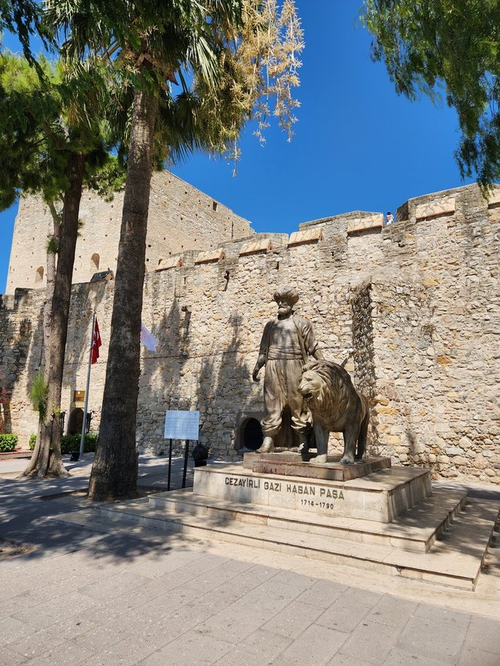
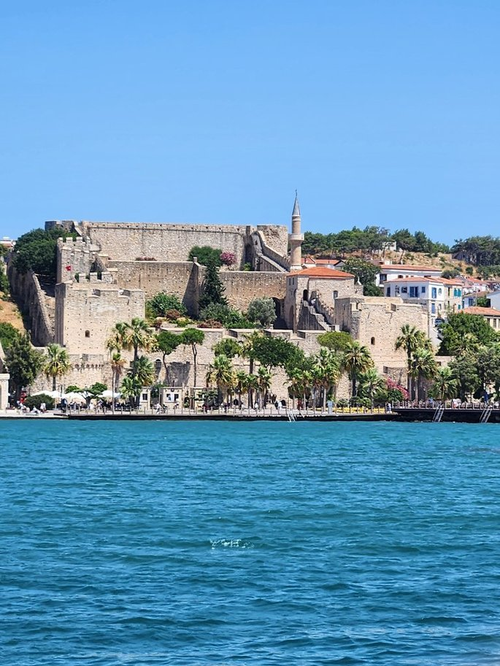
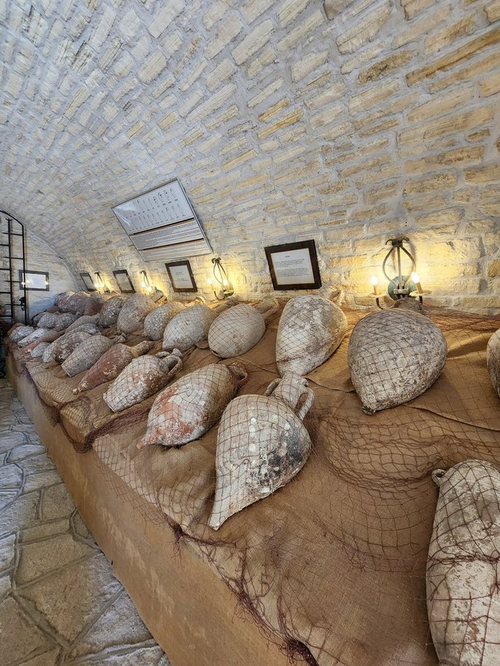
Çeşme's castle immediately tells you the story of conquest. This was a port connected to centuries of maritime travel, trade and conflict. Inside, archaeological objects—including amphorae once used to transport goods across the Mediterranean—help pull the story much farther back than the walls themselves. Trade has always moved people and goods across water; conflict has followed many of those same routes. Yet the castle and the objects preserved inside it also remind us that people were not concerned only with defense and survival. They still made useful things beautiful.
Try this at home
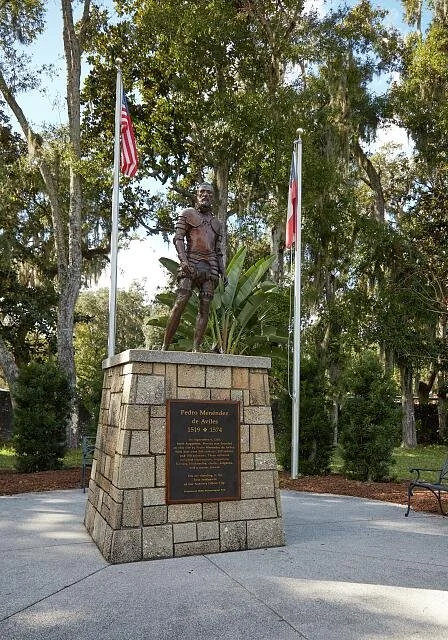
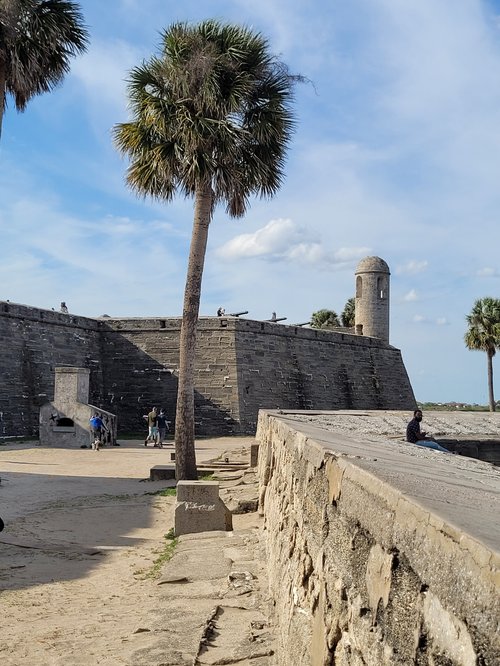
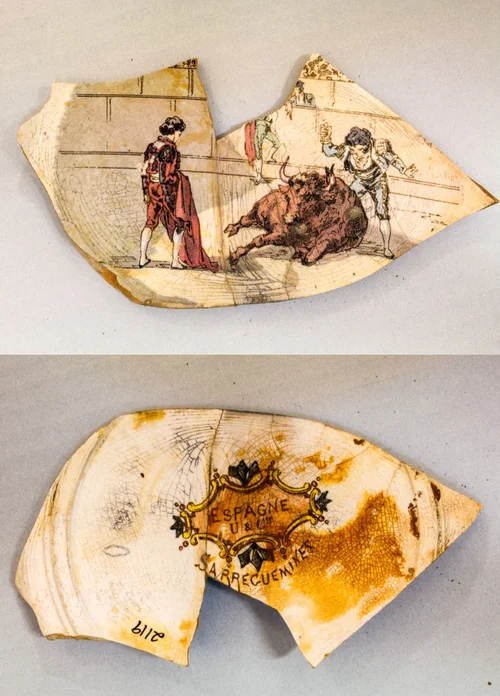
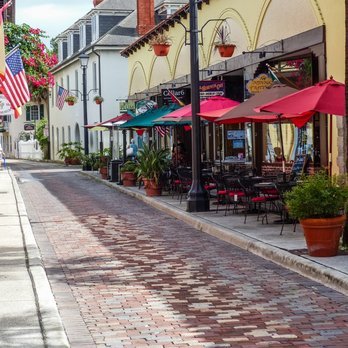
Head to St. Augustine, Florida, the oldest city in the continental US (1565) and visit Castillo de San Marcos. The architecture, materials and empires are different, but the histories of both cities are deeply shaped by the water at their edges. Both were strategic coastal communities influenced by trade, defense and the people who arrived from somewhere beyond the horizon.
Kehl, Germany → Nebraska & Iowa
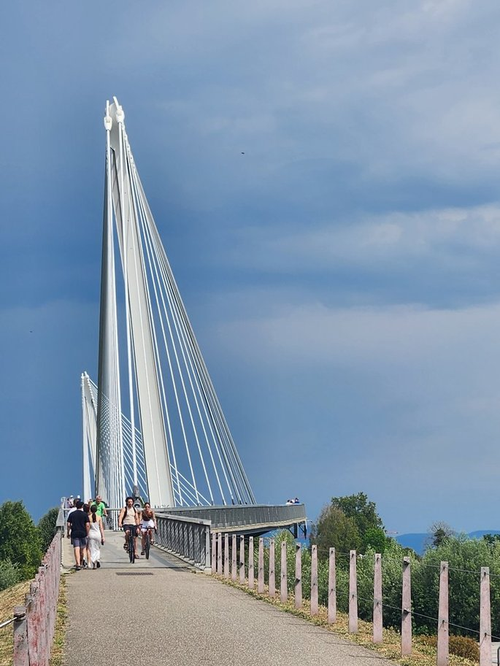
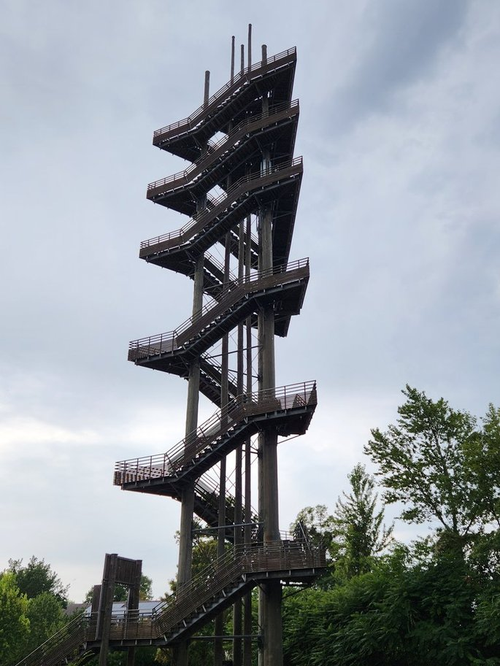
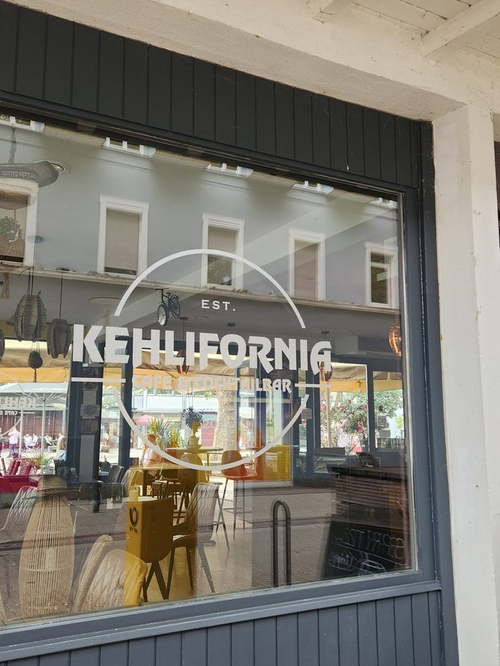
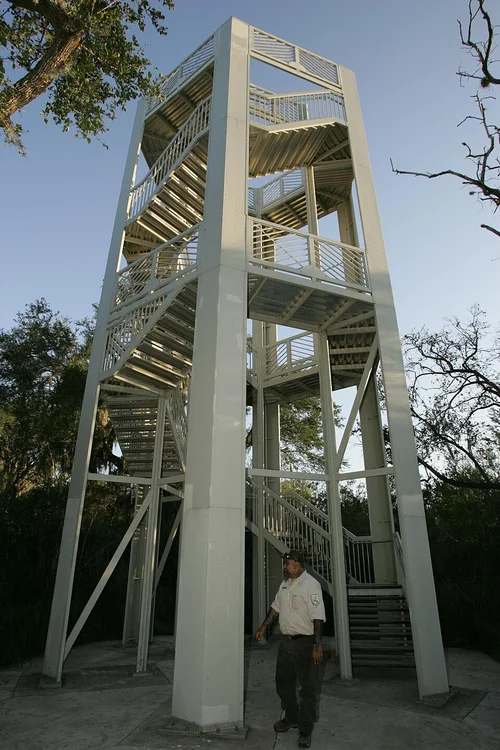
One of the delightful oddities of traveling around Strasbourg is that Germany is simply…across the river. Walk over the Rhine on the Passerelle des Deux Rives and you've left France and arrived in Kehl, Germany. Detour: Not far away is the Weißtannenturm, a triangular spiral tower from the top of which you can see the Black Forest and the Vosges Mountains.
Try this at home
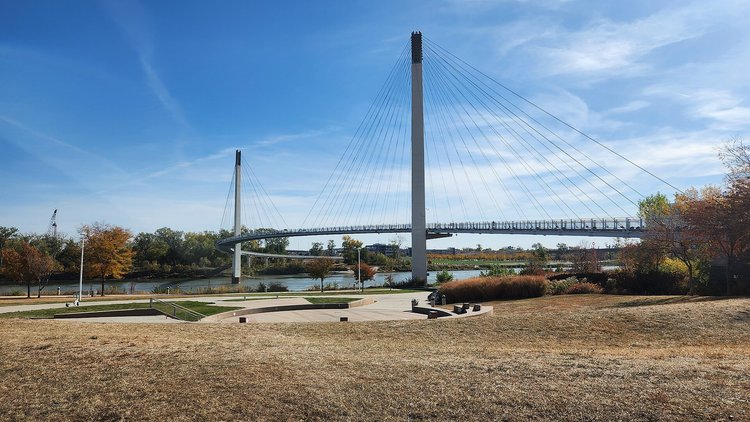
You can recreate that small thrill on the Bob Kerrey Pedestrian Bridge, which crosses the Missouri River between Omaha, Nebraska and Council Bluffs, Iowa. No passport required. Walk to the state line and stand with one foot in Nebraska and the other in Iowa. Big Detour: Now, you don't have a tower close by, but if you want to head to Texas, you can climb a similar tower and overlook the Santa Ana National Wildlife Refuge.
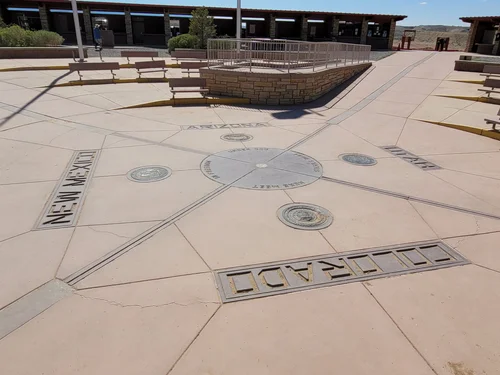
The European crossing changes countries; the American version changes states. For a 50x50 traveler, that is especially appropriate.
Lucerne, Switzerland → Whitefish & Glacier National Park, Montana
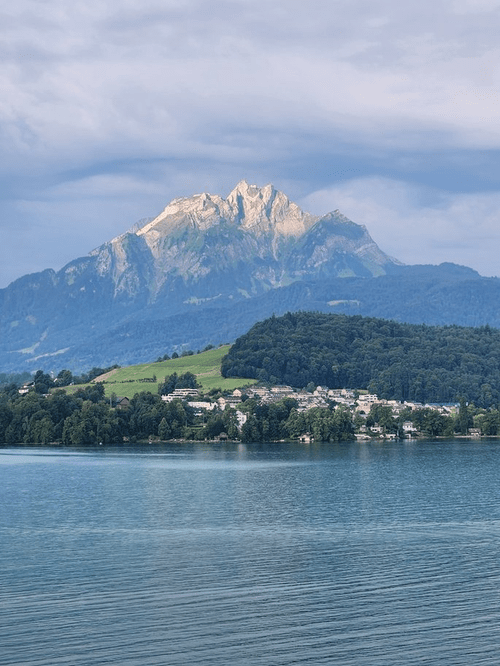
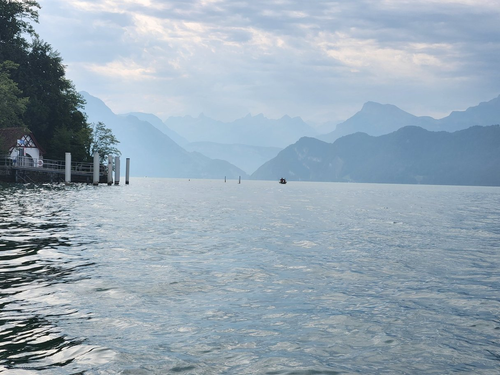
Around Lucerne, the mountains are craggy and steep, and changing clouds alter the play between shadow and light. Wide views show you layer after layer of mountains that disappear into the distance. I can only say this type of landscape leaves me awestruck.
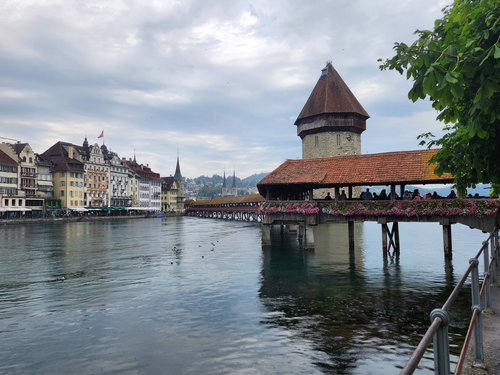
Closer to the village, another awe-inspiring feat awaits, this one man-made. Lucerne’s historic covered bridges stretch across the Reuss, their triangular paintings preserving stories of the city, faith and history. On the Spreuer Bridge, a striking Dance of Death cycle reminds viewers that mortality comes for everyone.
Try this at home
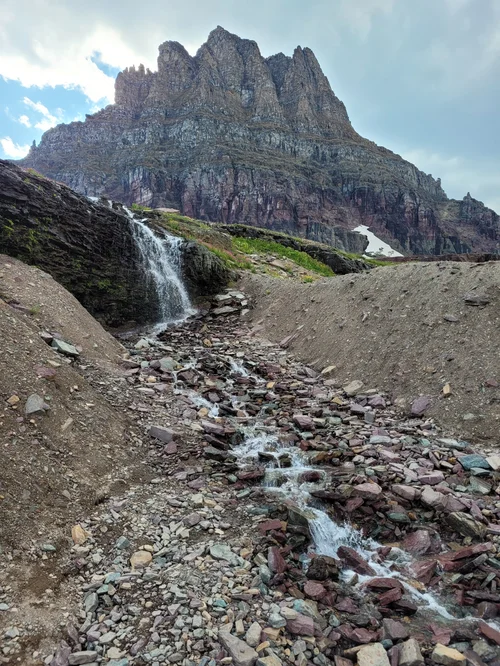
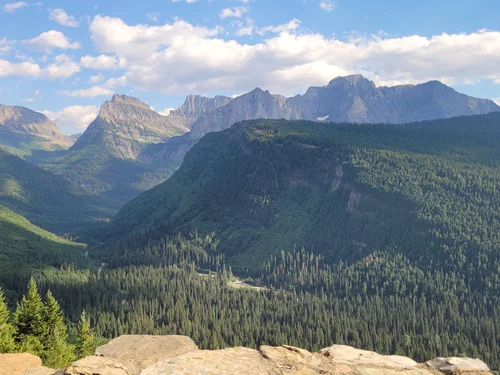
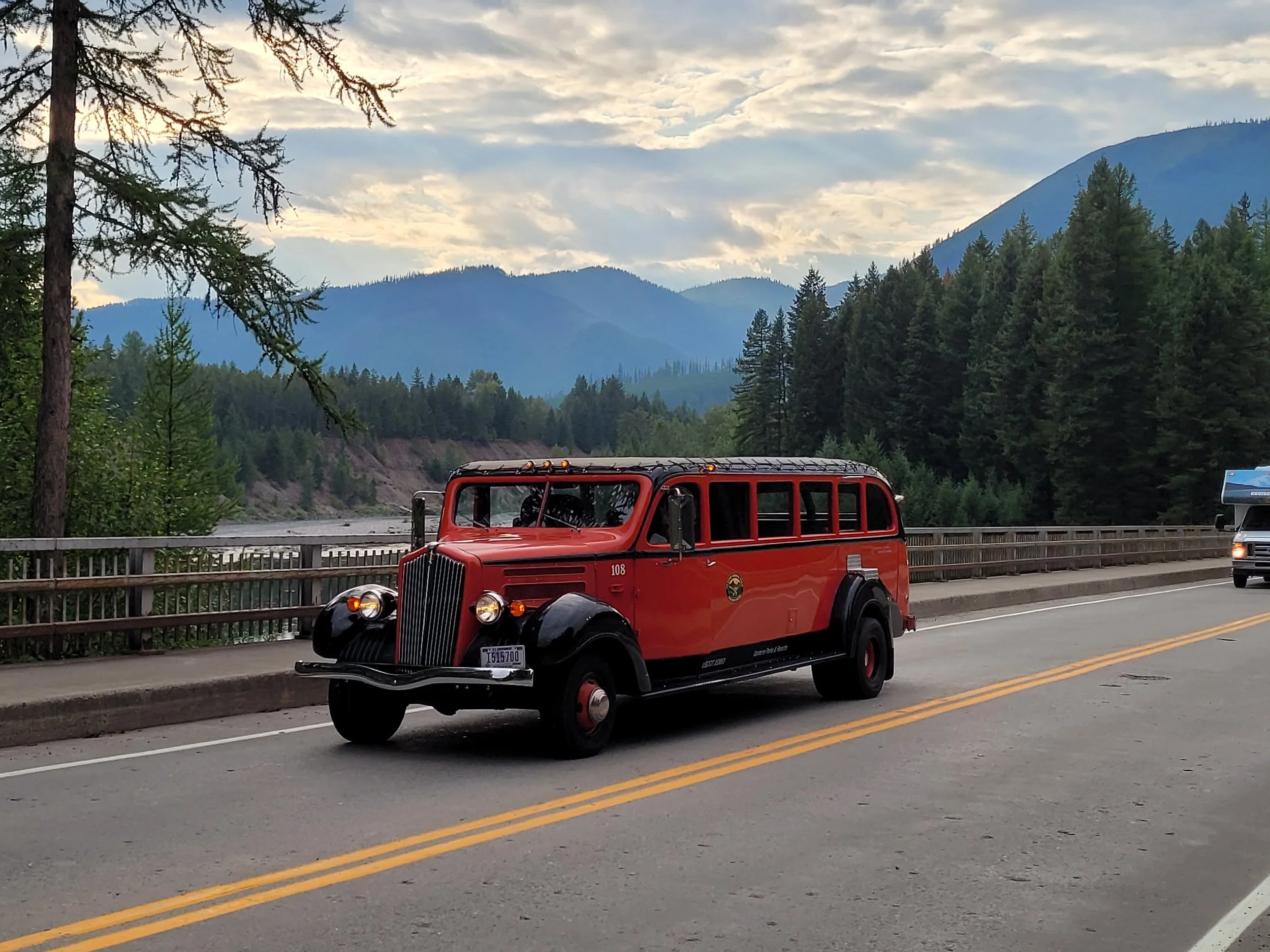
For an American version, head to northwestern Montana. Combine Whitefish with Glacier National Park, where lakes sit beneath immense mountain walls and the scenery changes at the whim of mother nature. Take time to appreciate the value of feeling very small inside a very large landscape.
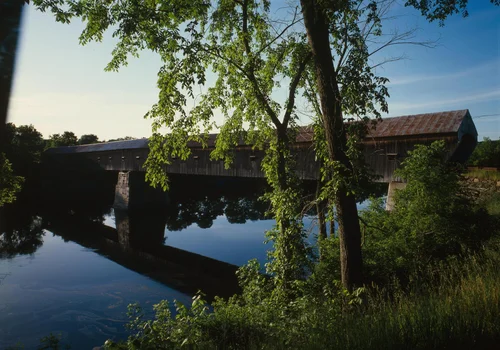
For a bridge experience, the US offers quite a few, though none with quite the same aesthetic. Give the Cornish-Windsor bridge some love. It crosses the Connecticut River between New Hampshire and Vermont. It may love you back, having earned the title "Kissin' Bridge."
Italy → Washington, D.C. & Idaho
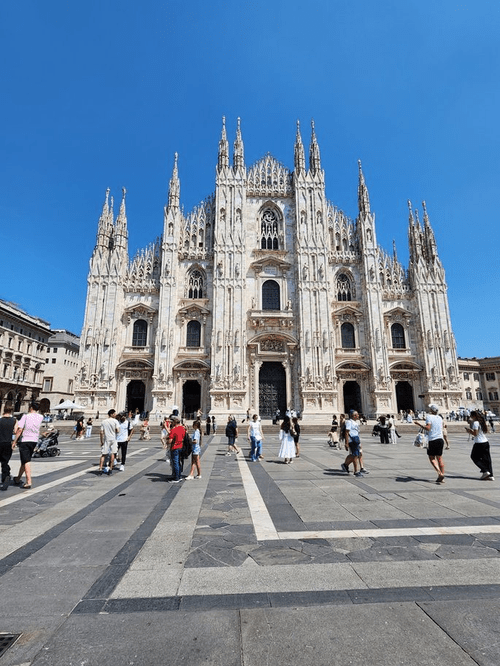
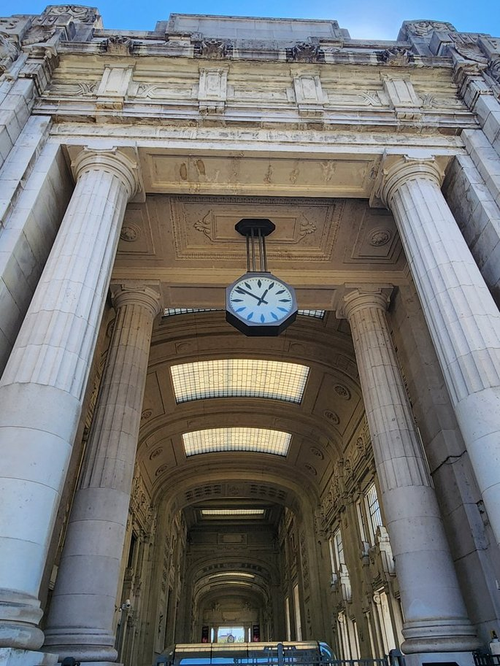
Milan → Washington, D.C. The closer you get, the more there is to see: pinnacles, sculpture, tracery and stonework layered one upon another. Climbing onto the roof changes the experience again, because the city becomes the backdrop of Gothic tradition.
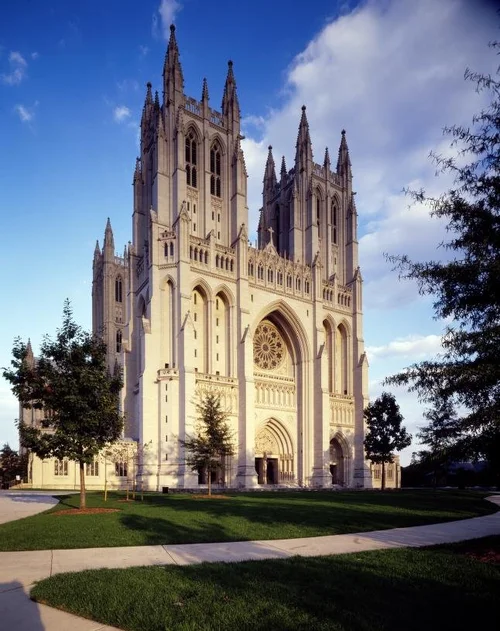
At home, visit Washington National Cathedral. Its Gothic tradition is a different time and place, but both buildings use height, stone, light and extraordinary craftsmanship to inspire.
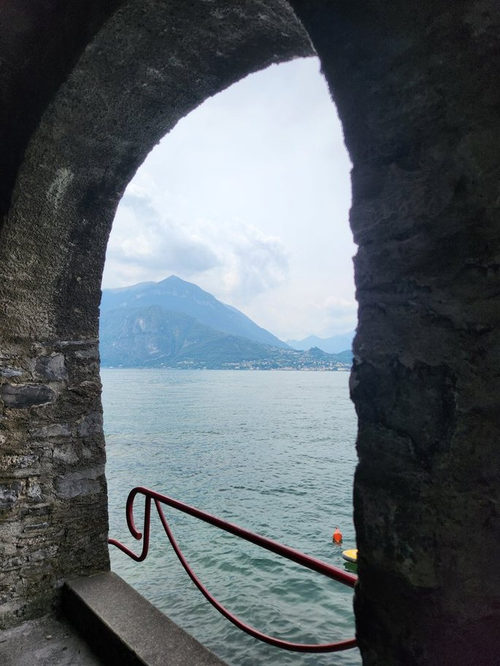
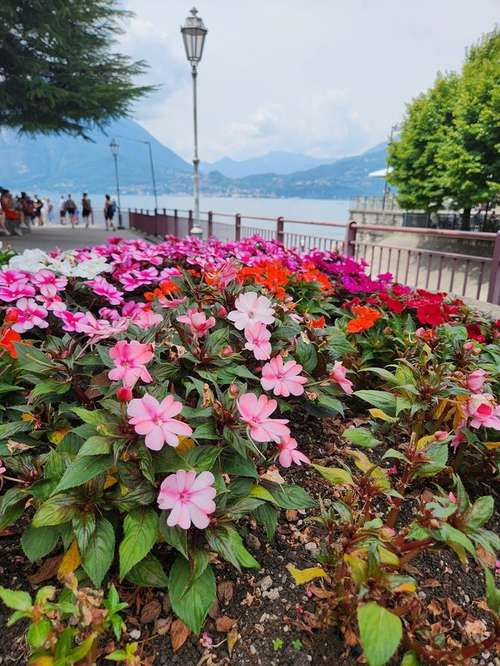
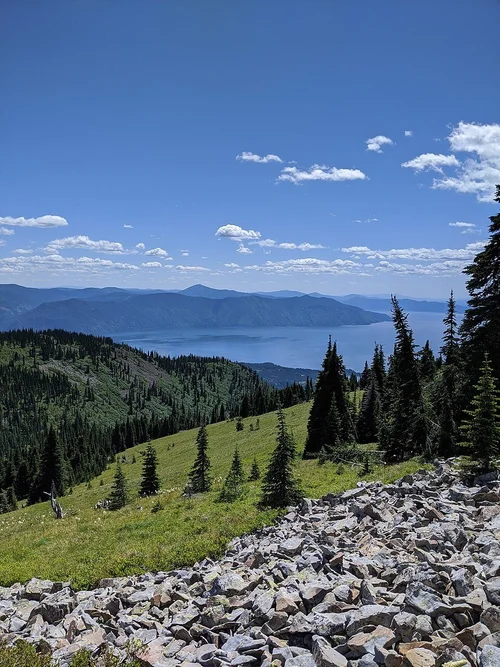
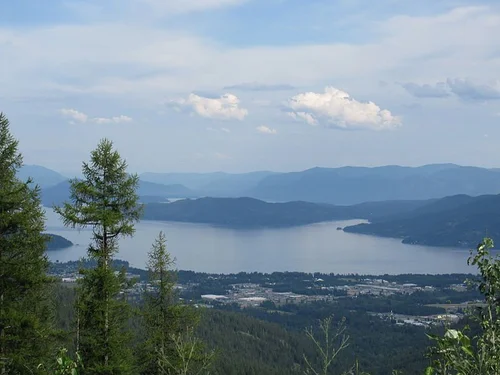
Lake Como → Sandpoint, Idaho Lake Como’s towns, mountains and water feel inseparable from one another.
Sandpoint and Lake Pend Oreille offer an American counterpart: a waterfront town, boating, shoreline walks and mountains rising around a substantial lake.
One More for France: Strasbourg → Leavenworth & Covington
Because I spent more time in France, you get a bonus!
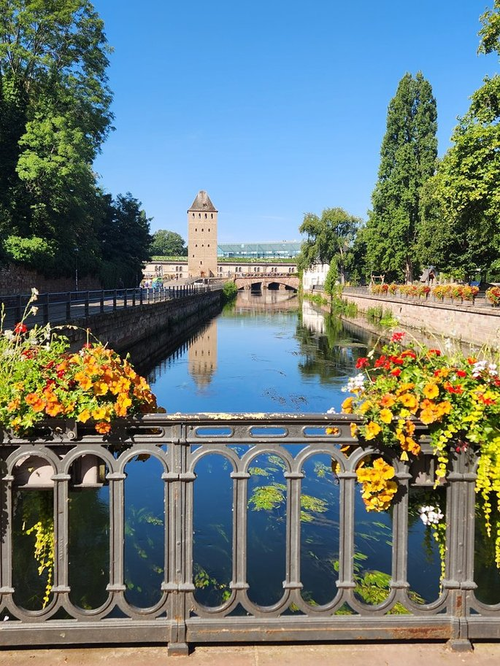
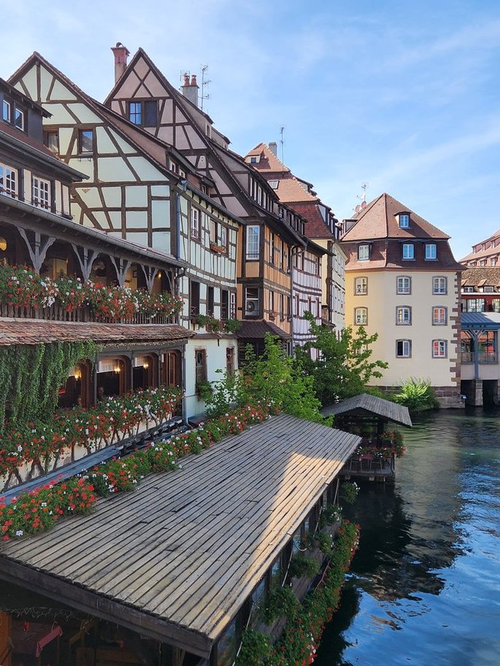
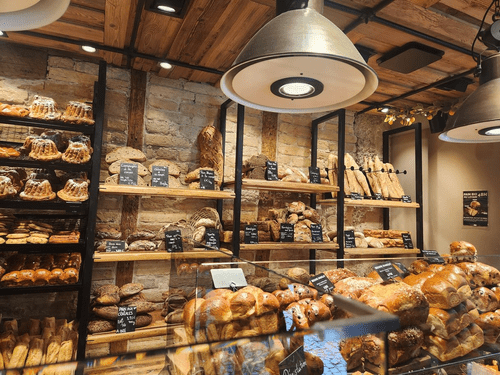
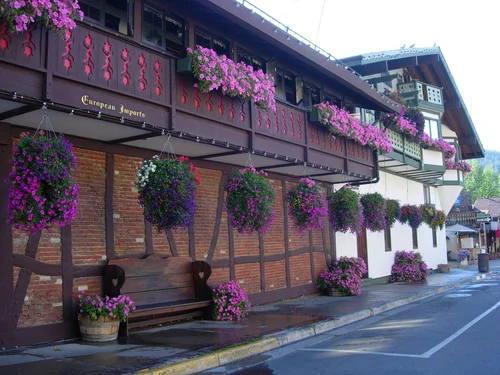
Strasbourg’s half-timbered buildings line waterways while flowers spill from windows and bridges. Bretzels, croissants and pastries call from boulangeries and cafés as you wander past. The architecture reflects centuries of French and German influence, and the result is unmistakably Alsatian.
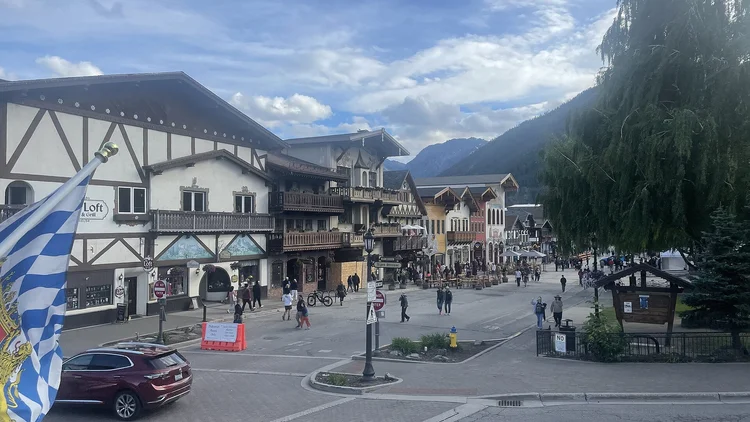
Leavenworth embraces Bavarian aesthetics, but if you're chasing that combination of European village atmosphere, mountain scenery and the simple pleasure of wandering until something looks good enough to stop for, it earns a place on the list.
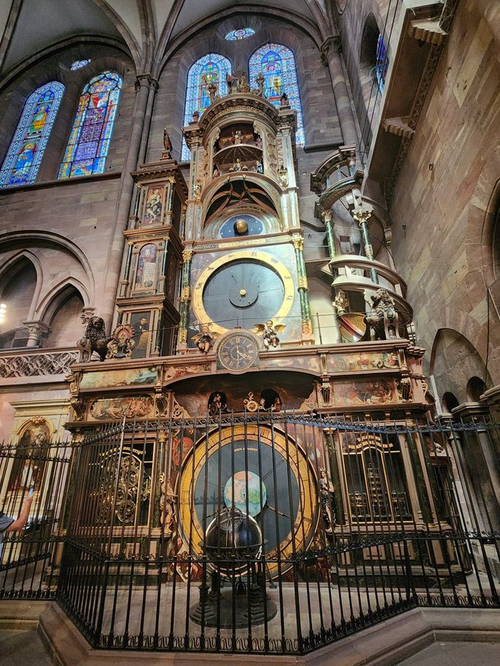
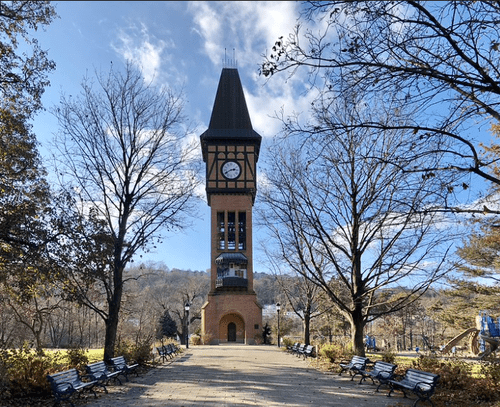
If its moving figures caught your attention, visit MainStrasse Village in Covington, Kentucky, where the Carroll Chimes Bell Tower uses mechanical figures to tell the story of the Pied Piper on the hour during its operating season.

Your Own Journey
Strasbourg Astronomical Clock in Notre Dame Cathedral, Petit France
So it's possible a European vacation may be closer than you think.
I'm not going to tell you Newport is Versailles, Montana is Switzerland or Tennessee somehow replaces Athens. But, if Europe isn't on your itinerary right now, that doesn't mean the experience you're looking for is completely out of reach.
What I have learned again and again, is that the things we go looking for across the world—beauty, quiet, architecture, history, great food, enormous views, and places that make us stop—aren't confined to one continent.
Sometimes what you're really looking for isn't France.
It's grandeur, luxury and excess.
Maybe it isn't Switzerland.
It's the still air surrounding mountains surrounding an azure blue lake.
Maybe it isn't Greece.
It's standing somewhere old enough—or geologically dramatic enough—to change your sense of time.
And we have those experiences here too.
That's part of what I love about a 50x50 journey. The goal isn't to color in a map as quickly as possible. It's to decide what makes you curious and then start following that thread across the country.
Maybe yours becomes an American European Vacation: palaces, cathedrals, alpine lakes, fortresses, classical architecture, old-world villages and extraordinary landscapes—one state at a time.
And should you happen to win an all-expenses-paid trip on Pig in a Poke along the way?
Well, by all means, take that too.
~Safe Travels ❤️
P.S. Most of the photos in this month’s post are my own, but it has been several years since I visited some of our U.S. comparison stops. My age is obvious enough that it probably won’t surprise you to learn that many of those older pictures are faded and living in photo boxes in my closet instead of the cloud. So, to give credit where credit is due, the following Creative Commons, Library of Congress, and public-domain images helped support this journey.
Photo Credits: Rosecliff exterior: n ole, CC BY 2.0, via Wikimedia Commons. Green Animals Topiary Garden: Daderot, CC0, via Wikimedia Commons. Marble House, Washington National Cathedral, Christopher Columbus statue, Pedro Menéndez de Avilés statue, 30th Street Station alternate, Rosecliff aerial: Carol M. Highsmith Archive, Library of Congress; no known restrictions on publication. Crater Lake aerial: Mike Doukas, U.S. Geological Survey, public domain. Castillo de San Marcos olive jar fragment: National Park Service, public domain. Bob Kerrey Pedestrian Bridge: WiinterU, CC0, via Wikimedia Commons. Santa Ana National Wildlife Refuge spiral tower: Steve Hillebrand, U.S. Fish & Wildlife Service, public domain. Cornish-Windsor Covered Bridge: Jet Lowe / Historic American Engineering Record / National Park Service / Library of Congress, public domain. 30th Street Station interior: Northern-Virginia-Photographer, CC0, via Wikimedia Commons. Lake Pend Oreille view: USDA Forest Service, public domain. Sandpoint / Lake Pend Oreille from Schweitzer Mountain: Lómelinde, public domain dedication, via Wikimedia Commons. Lake Pend Oreille aerial: U.S. Army Corps of Engineers, public domain. Leavenworth Main Street: Roc0ast3r, CC0, via Wikimedia Commons. Leavenworth Front Street / blue building: Steven Pavlov (Senapa), CC BY-SA 3.0, via Wikimedia Commons. Leavenworth flowers: Todd Petit, CC BY 2.0, via Wikimedia Commons. Leavenworth Front Street alternate: Joe Mabel, CC BY-SA 3.0, via Wikimedia Commons. Carroll Chimes Bell Tower: Warren LeMay, public domain, via Flickr.